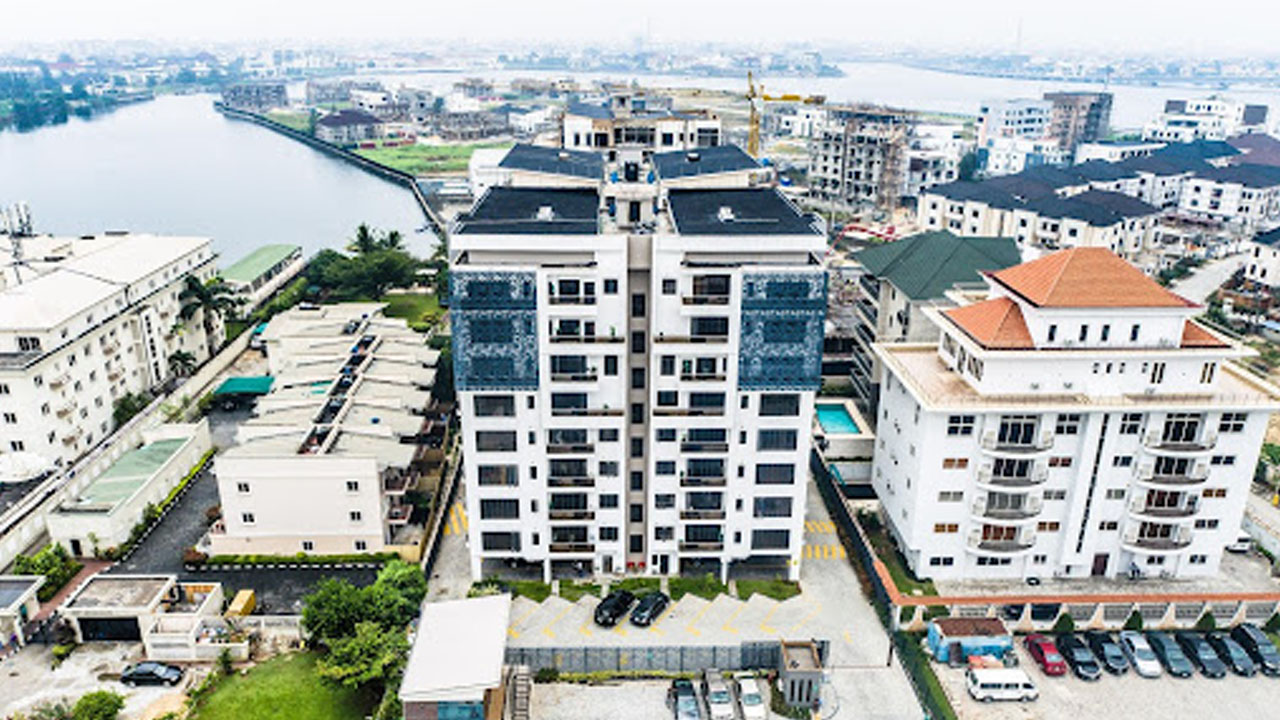
The upscale housing surge comes despite a drop in Nigeria’s millionaire population. The number of high-net-worth individuals has slumped by 47% in the past decade to about 7,200, driven by naira depreciation, according to Andrew Amoils, head of research at New World Wealth.
Since the government let the naira float in 2023, it has lost almost half its value. The devaluation helped push remittances from Nigerians abroad to $20.93 billion in 2024, an 8.9% increase, central bank data show.
That inflow could grow. The Paris-based Financial Action Task Force recently removed Nigeria from its dirty-money watchlist, after steps to tighten anti-money-laundering controls. That may make it easier and cheaper for citizens overseas to send funds home.
Still, structural challenges persist. Most real estate purchases in Nigeria are done in cash, potentially enabling unscrupulous operators and corruption. Mortgages account for less than 1% of the country’s economic output. The government has sought to respond with initiatives such as a proposed 1 trillion-naira mortgage fund.
Luxury at the Top
Ultra-luxury homes in Lagos sell for 2.2 billion naira ($1.5 million) to 9 billion naira, while in Abuja, prices hover around 5 billion naira, according to brokers and developers Bloomberg spoke with. Public data on real estate transactions is limited, making precise market valuations difficult to verify.
Rental yields range from 4% to 7%, according to Estate Intel senior analyst Dapo Runsewe — comparable to global luxury hubs such as Los Angeles, New York and Dubai. Those yields, coupled with high returns on investment, are attracting buyers, said Contemporary’s Ifeadi. “A lot of what’s happening in Lagos is being driven by big-time entrepreneurs trying to cash in,” he said.
A younger cohort of buyers is also entering the market. Real estate agents in Abuja say many purchasers of multibillion-naira homes are younger professionals in government and tech.
In Lagos, the younger crowd is also shifting away from Banana Island, the country’s most expensive enclave built on reclaimed swamp. For instance, Alexander Avenue in Ikoyi, “is now populated mainly by buyers between 35 and 40,” said Ifeadi. “Many are IT entrepreneurs, buying both as homes and investments.”
Developers are also adjusting to broaden demand. According to Edith Otegbeye, head of operations for Arkland Properties and Investment, firms are introducing flexible payment plans aimed at salaried buyers. Under these schemes, purchasers make an initial deposit during construction and spread the balance across the building period. “That allows them to plan their finances,” she said.
Some analysts warn of oversupply risks. A report by advisory firm Northcourt said demand for luxury homes in Lagos and Abuja is under pressure from high inflation, weaker purchasing power and currency volatility.
For now, cranes keep rising as developers bet that naira devaluation will continue attracting overseas Nigerians.
“We now see more overseas funding in the sector because of the devaluation,” said Afeez Dosunmu, CEO of Abuja-based Haod Heights Ltd. “Nigerians abroad who have money are looking for where to tie these funds, and they tend to want to invest here.
Anti-corruption agencies see a darker side to the boom.
The Economic and Financial Crimes Commission, Nigeria’s anti-graft agency, seized more than 750 duplexes and apartments linked to former central bank governor Godwin Emefiele, who faces charges including fraud and corruption
That marked the EFCC’s largest-ever property recovery from an individual since its founding in 2002, but it’s far from an isolated case.
Nigeria’s former oil minister Diezani Alison-Madueke has been charged with money laundering, while other officials, including a former state governor and accountant general, have faced allegations of misusing public funds, some of which were diverted to acquire properties. Emefiele and Alison-Madueke have both denied wrongdoing and are contesting the charges in court.
The government, meanwhile, has laid out plans to sell the apartments seized from Emefiele.
Real estate is a “fertile sector” for the movement of illicit funds and for warehousing of unexplained wealth, said EFCC spokesperson Dele Oyewale.
Stricter anti-money-laundering rules in Europe and the US have made it harder for Nigerian elites to park funds abroad, channeling their money into domestic real estate, according to officials at the EFCC and the Nigerian Financial Intelligence Unit.
Officials from the NFIU, which tracks suspicious transactions, said politicians and senior officials often use shell companies or foreign nationals as fronts for purchases. Those officials declined to be identified discussing confidential information.